Complete Foam Rolling and Mobility Routine
A 15-minute daily foam rolling protocol that covers every major muscle group. No stretching expertise required — just a roller, a floor, and your body weight.
Upper back · 2 minutes
Lie face-up with the roller under your upper back (below the shoulder blades). Cross your arms over your chest. Lift your hips and slowly roll from mid-back to the base of your neck. Pause on any tender spots for 20-30 seconds.
Don't roll your lower back — the ribs protect your upper back, but the lower back has no bony protection against roller pressure. Stop at the bottom of the rib cage.
Lats · 1 minute per side
Lie on your side with the roller under your armpit. Extend the bottom arm overhead. Roll from armpit to the bottom of your rib cage. This is often surprisingly tender — go slow.
If your arm goes numb or tingles, you're on a nerve. Shift the roller slightly toward your back.
Quads · 2 minutes
Lie face-down with the roller under both thighs. Support yourself on your forearms. Roll from just above the knee to the hip crease. To increase pressure, stack one leg on top of the other and roll one quad at a time.
Avoid rolling directly on the kneecap. Start 2 inches above the knee and stop at the hip crease.
IT band · 1 minute per side
Lie on your side with the roller under your outer thigh. Stack your top leg on the bottom or place the top foot on the floor in front for support. Roll from just above the knee to the hip. This is the most painful spot for most people — breathe through it.
The IT band isn't a muscle — it's connective tissue. You're not 'loosening' it, you're reducing tension in the muscles that pull on it. If it's unbearable, roll the quad and glute instead.
Hamstrings · 2 minutes
Sit on the roller with it under your thighs. Support yourself on your hands behind you. Roll from just above the knee to the bottom of the glute. Cross one leg over the other to increase pressure on a single hamstring.
If you feel a sharp zing down the back of your leg, you're on the sciatic nerve. Shift the roller slightly to one side.
Calves · 1 minute per side
Sit on the floor with the roller under one calf. Cross the other leg on top for pressure. Roll from above the ankle to just below the knee. Rotate your foot inward and outward to hit the inner and outer calf.
The Achilles tendon is a no-roll zone. Stay on the muscle belly, not the tendon itself.
Glutes · 2 minutes
Sit on the roller with both feet on the floor. Cross one ankle over the opposite knee (figure-four position). Lean into the crossed side and roll the glute from the hip bone to the sit bone.
If you hit a deep, achy trigger point, hold pressure there for 30 seconds rather than rolling back and forth. Sustained pressure is more effective on deep glute trigger points.
Hip flexors · 2 minutes
Lie face-down with the roller under one hip, just below the front of your hip bone. The opposite leg is bent out to the side for stability. Apply gentle pressure and slowly roll the front of the hip. This one is subtle — you may not feel much at first.
This area can refer pain to the lower back. If your back hurts during this, reduce pressure by putting more weight on your arms.
Also consider: the wider recovery toolkit
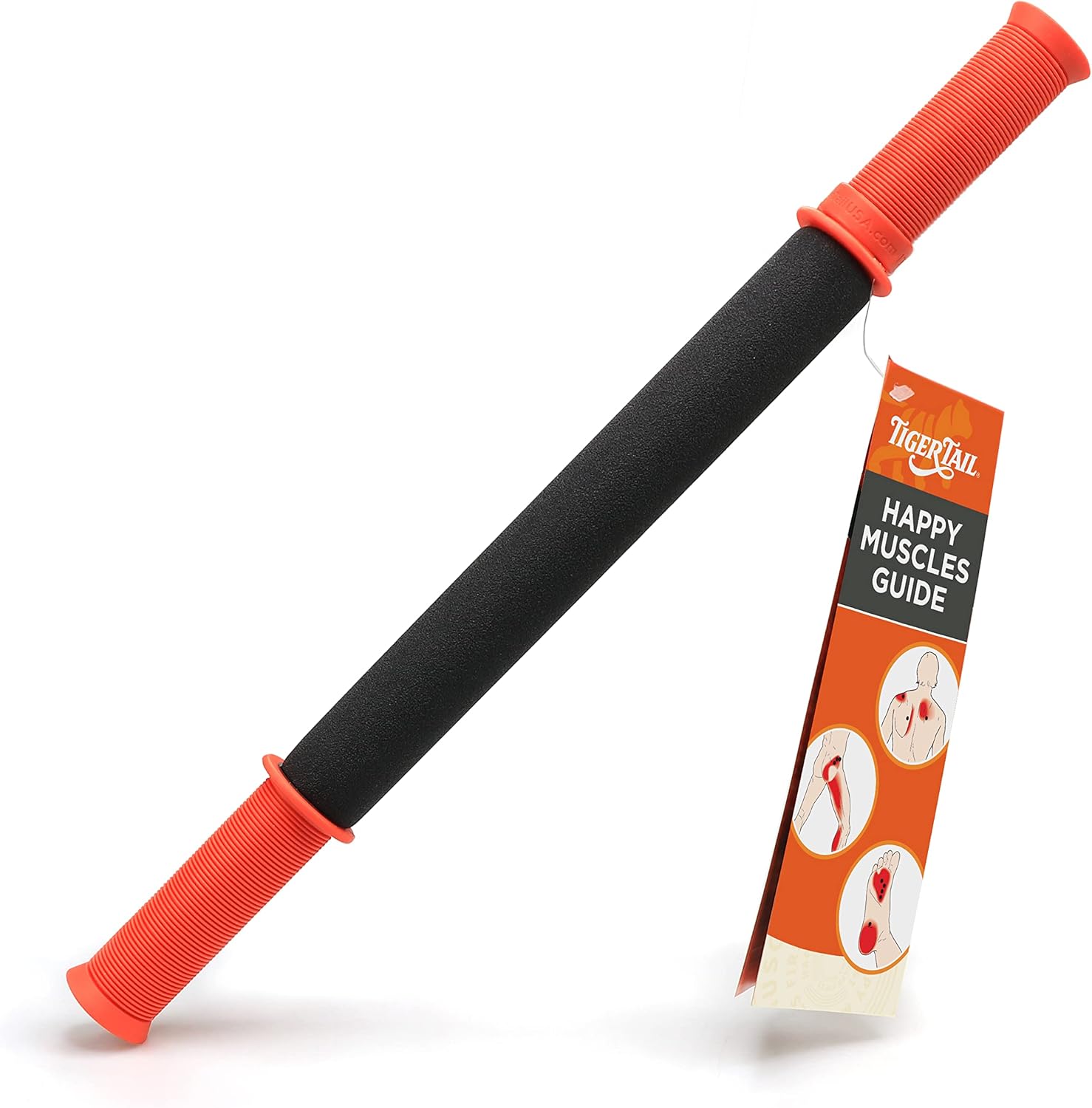
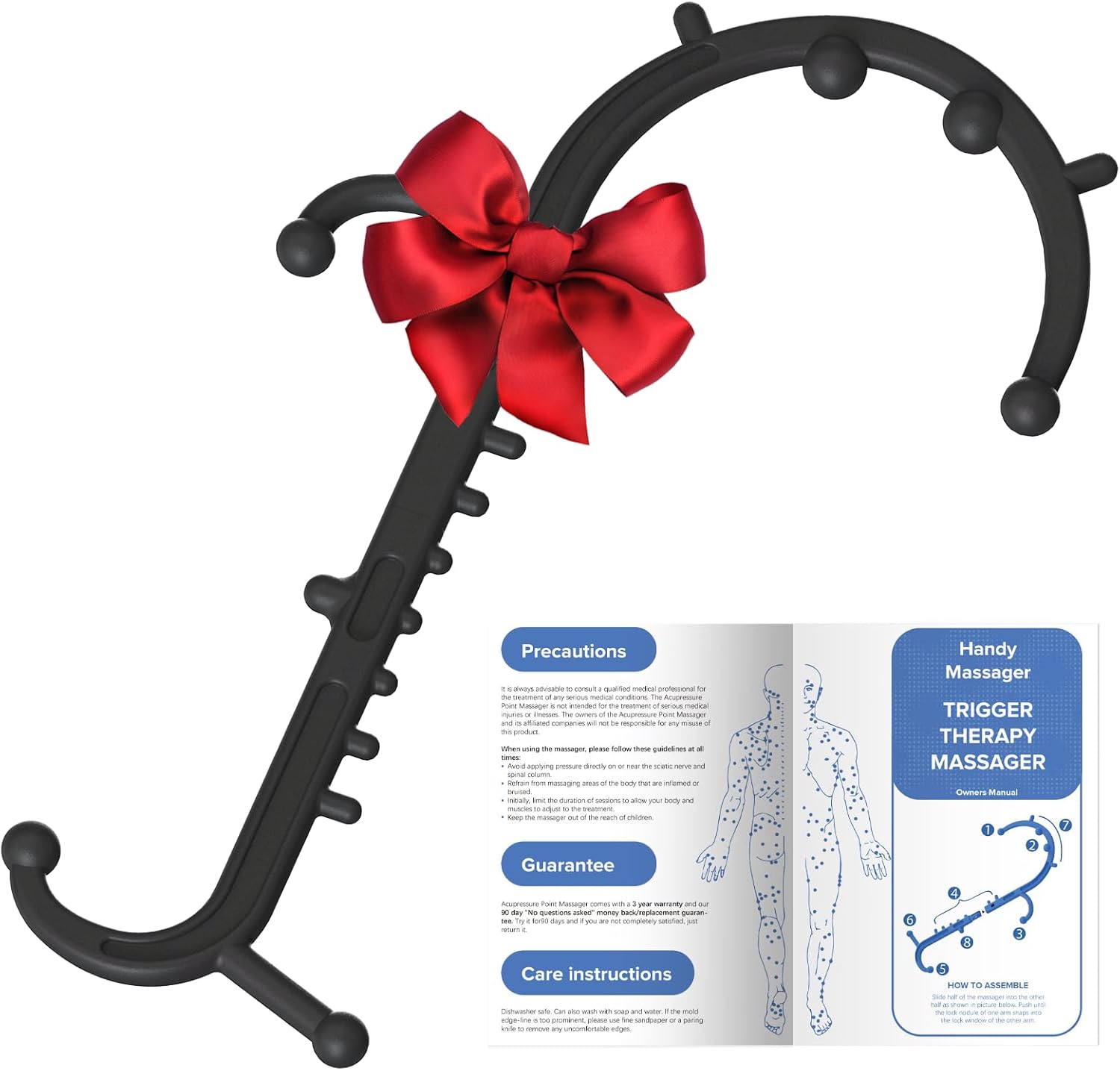
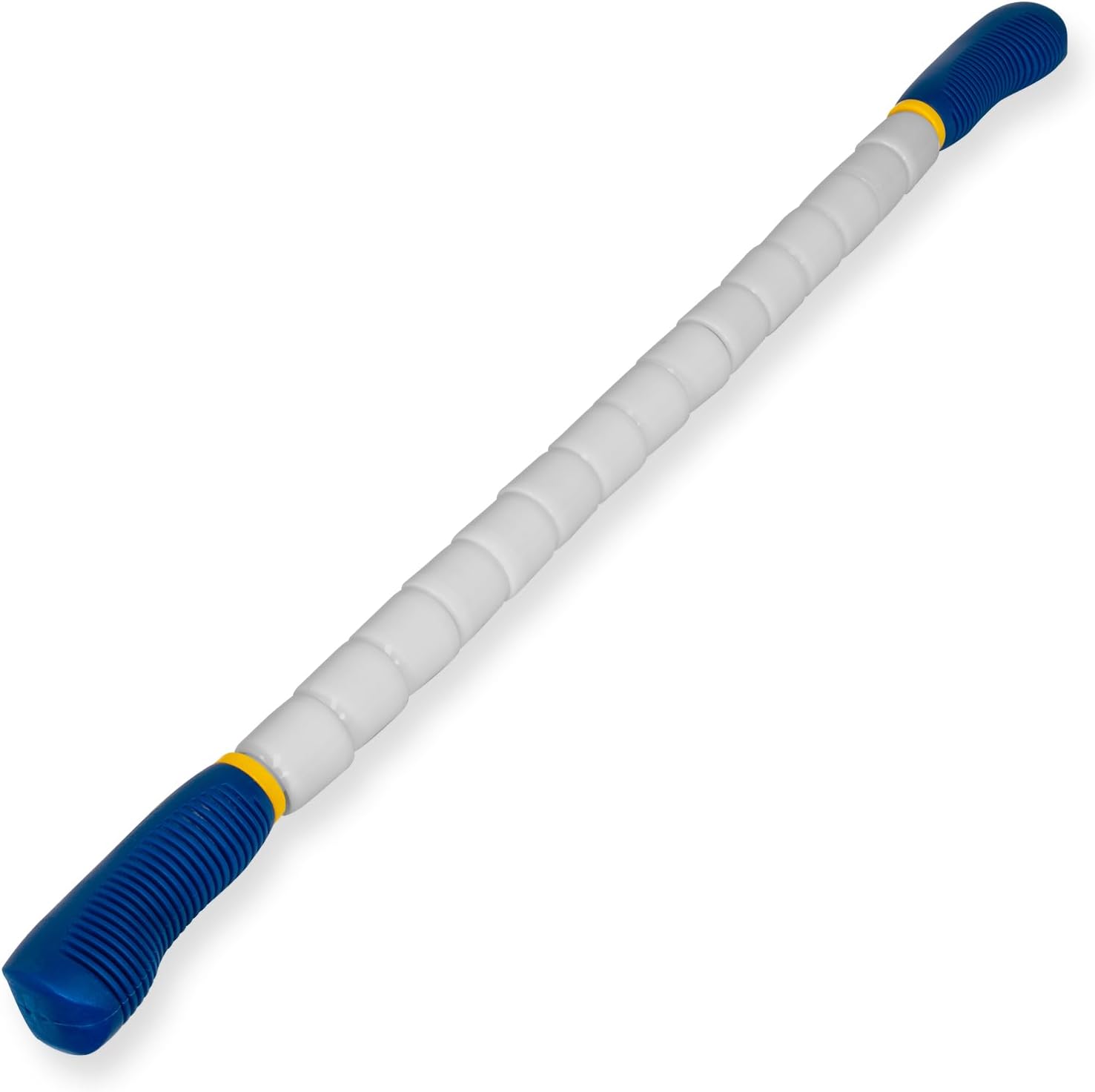
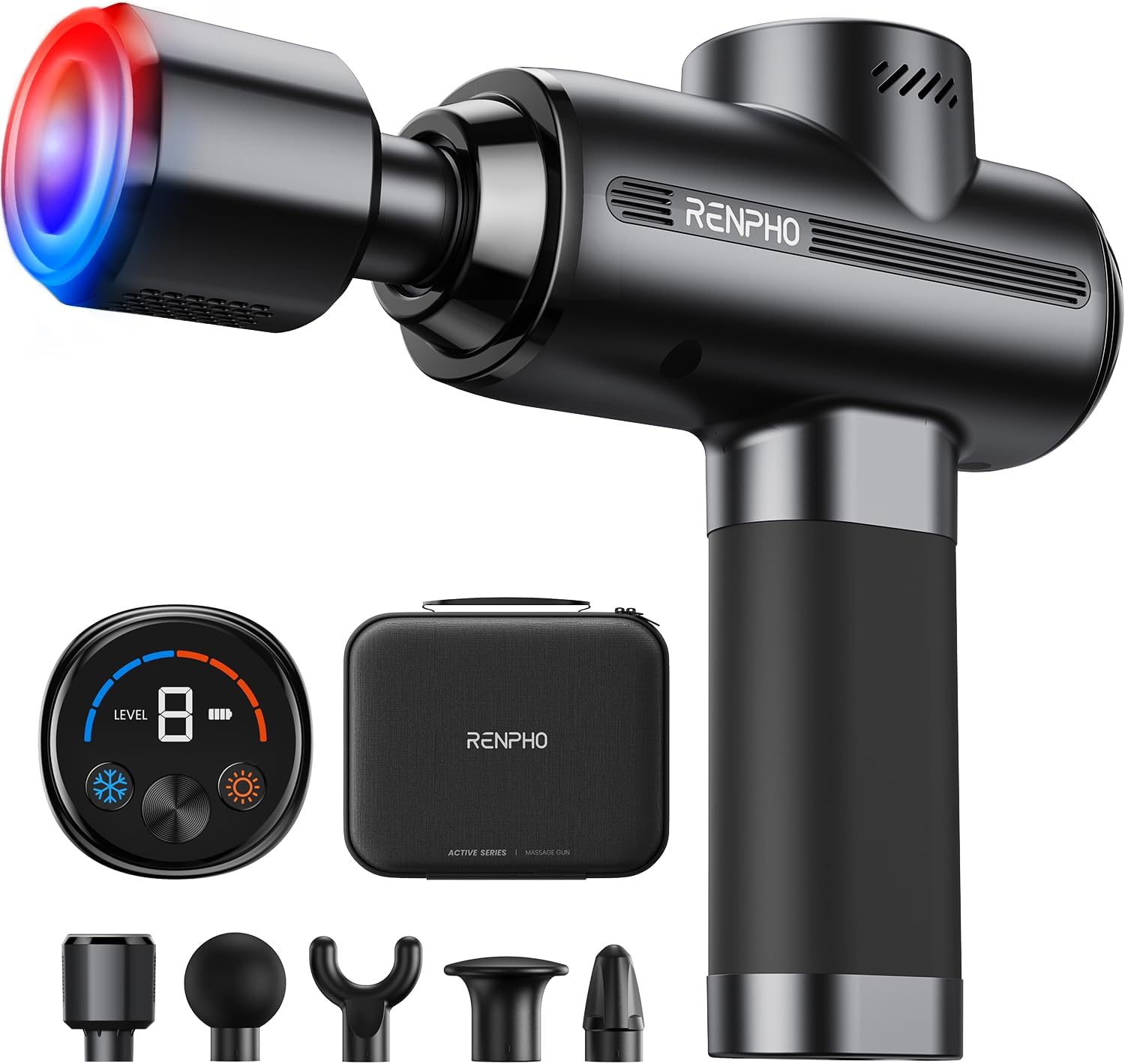
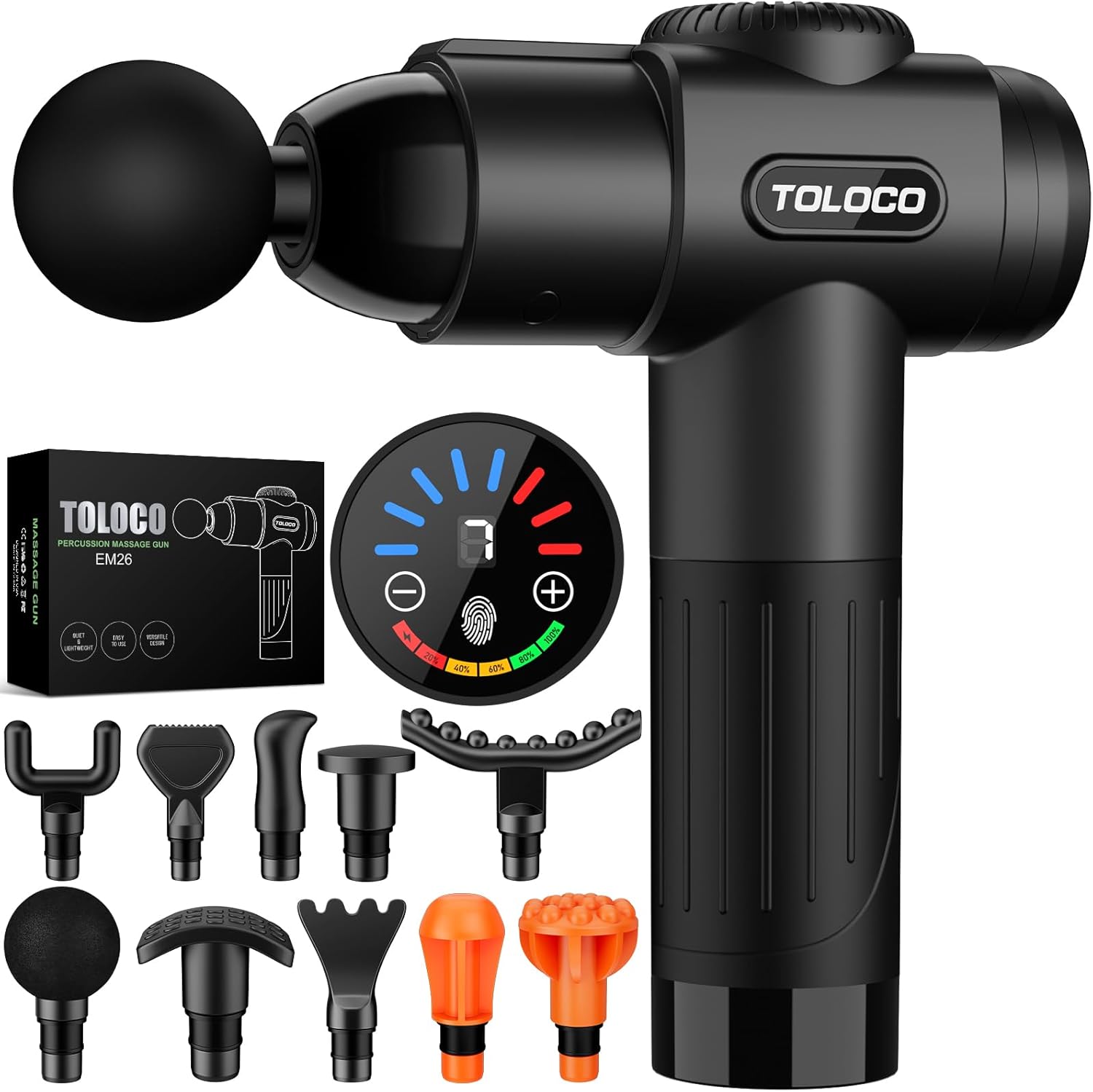
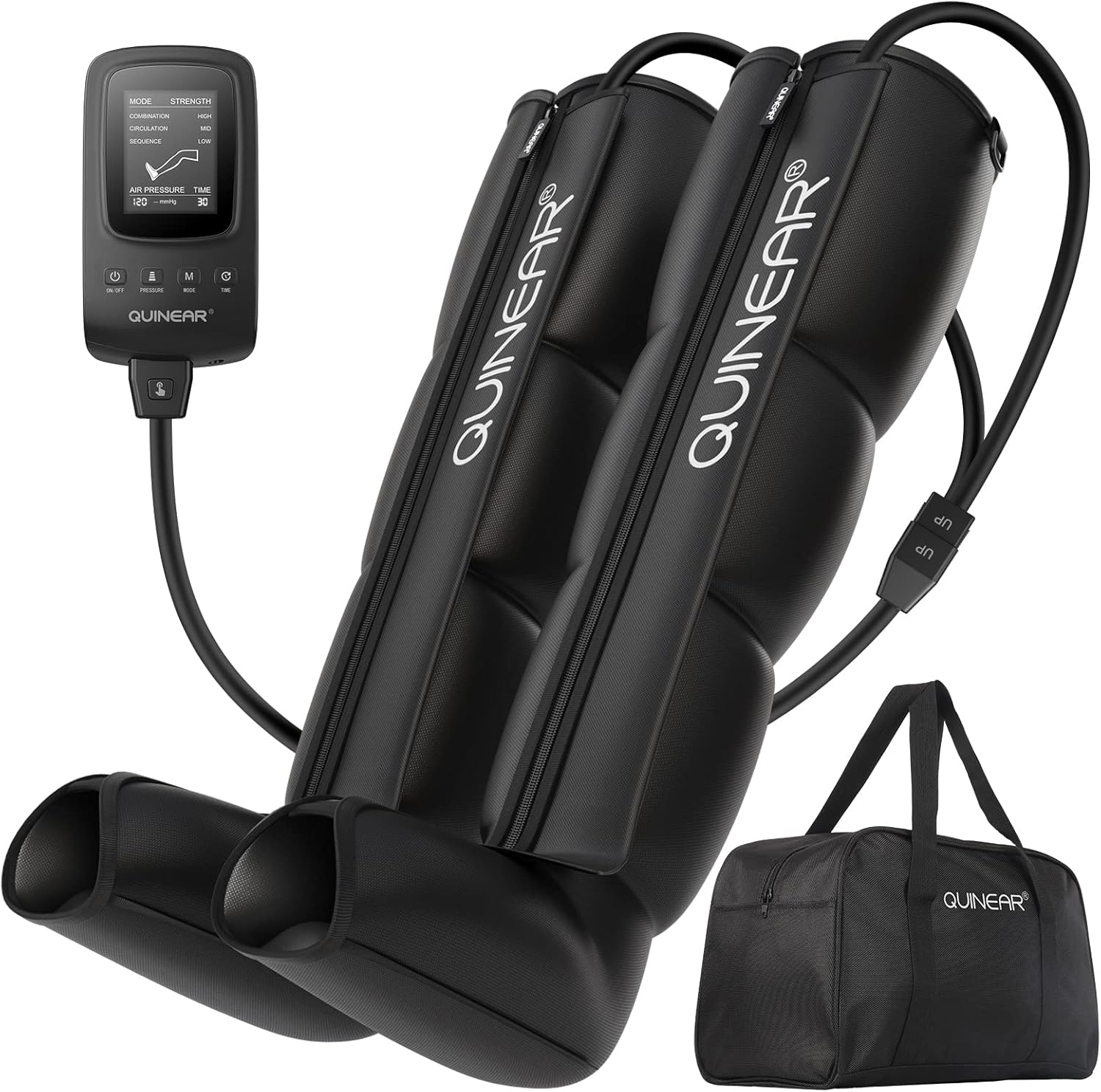
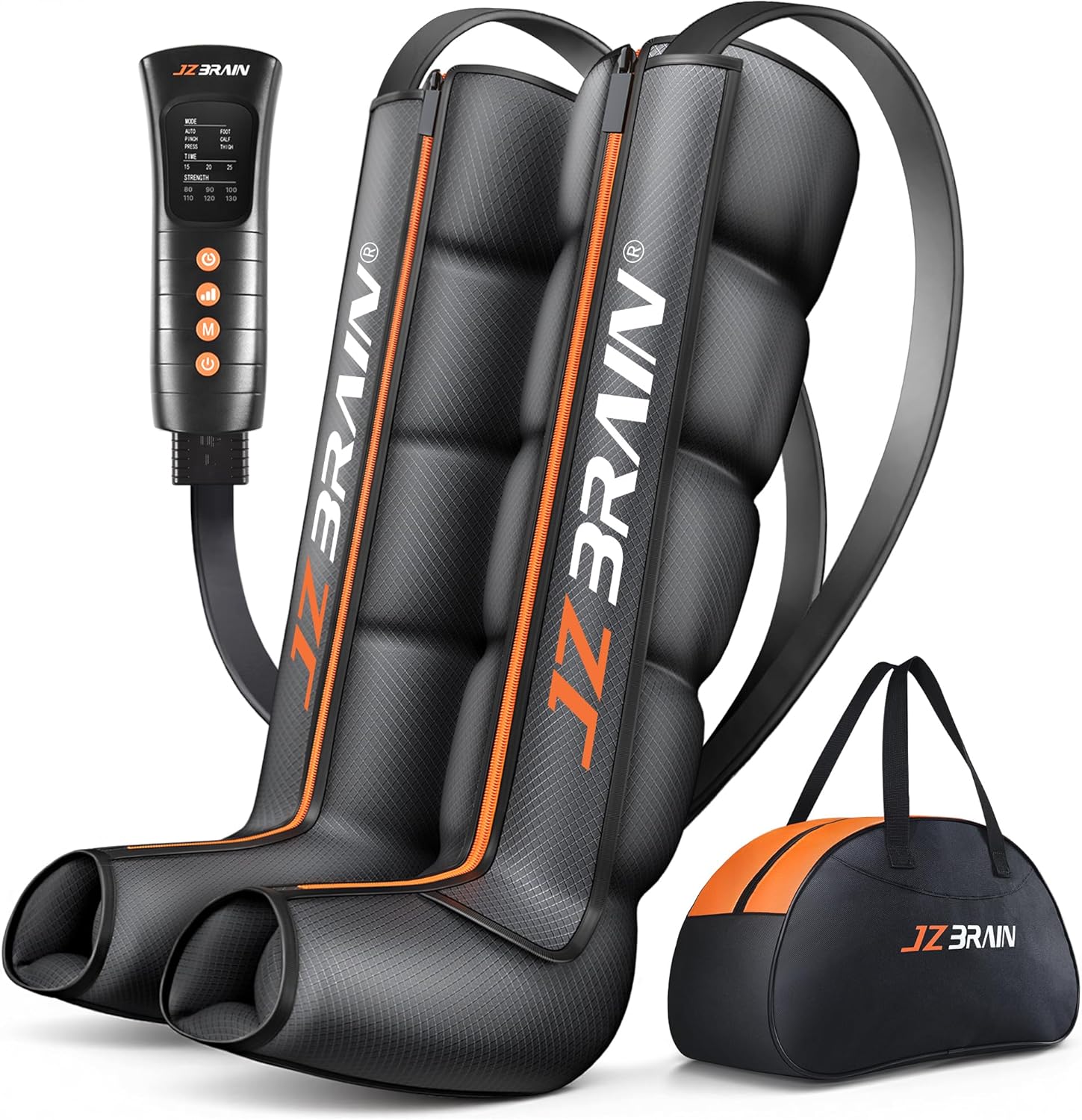
Foam rolling covers broad-stroke release, but the full self-care toolkit reaches further. Massage sticks deliver pinpoint trigger-point work on calves, forearms, and IT bands that a roller can't reach. Massage guns add percussion for time-efficient recovery. Compression boots address leg circulation and venous return the floor can't. Layer whichever fits your recovery window and budget.
*Tutorials do not constitute professional medical or fitness advice. Please consult a qualified professional before making decisions about your health or fitness routine.