5 Steps to Your First Indoor Cycling Workout
A 5-step guide to setting up your bike, dialing in resistance, and completing a 30-minute indoor cycling session that builds fitness without destroying your knees.
Set your seat height and handlebar position
Stand next to the bike — the seat should be at hip height. Sit on the bike and place your foot at the bottom of the pedal stroke. Your knee should have a slight bend (about 25-30 degrees), not be fully locked out. Handlebars should be at or slightly above seat height for beginners — this keeps you upright and reduces lower back strain.
A seat that's too low causes knee pain at the front of the kneecap. A seat that's too high makes your hips rock side to side. Take 2 minutes to get this right — it prevents weeks of discomfort.
Learn the resistance dial
Start at zero resistance and pedal for 30 seconds to feel the flywheel moving freely. Gradually increase resistance until you feel moderate pushback — you should be able to maintain 60-80 RPM with effort but without straining. This is your baseline resistance. Mark it mentally or with tape on the dial. You'll use this as your starting point for every workout.
Zero resistance at high cadence is dangerous — your feet can slip off the pedals or the momentum can hyperextend your knees. Always ride with enough resistance that you control the pedals, they don't control you.
Warm up for 5 minutes at low resistance
Pedal at 60-70 RPM with light resistance for 5 minutes. Focus on smooth, circular pedal strokes — push down, scrape back, lift up, push forward. Your breathing should be easy enough to hold a conversation. This warm-up brings blood to your legs and prepares your joints for harder work.
Don't skip the warm-up to save time. Cold muscles and joints under load is how overuse injuries start. Five minutes of easy spinning prevents weeks of knee or hip complaints.
Complete 3 intervals of 4 minutes work, 2 minutes recovery
Increase resistance to your baseline level and pedal at 70-80 RPM for 4 minutes. You should be breathing hard but controlled. Then reduce resistance and pedal easy for 2 minutes. Repeat 3 times. This 18-minute block is the core of your workout. The work intervals build cardiovascular fitness, the recovery intervals let you sustain the session.
If you can't complete the 4-minute work interval, reduce the resistance. If the recovery feels too easy, shorten it to 90 seconds. Adjust the intensity to your level — the structure matters more than the exact resistance.
Cool down and stretch for 7 minutes
Reduce resistance to near-zero and pedal slowly for 3-4 minutes until your heart rate drops. Then dismount and stretch your quads, hamstrings, hip flexors, and calves — 30 seconds per leg, per muscle. Indoor cycling shortens your hip flexors over time. Stretching after every ride prevents the chronic tightness that leads to lower back pain.
Don't just stop pedaling and walk away. The cool-down is how your cardiovascular system returns to resting state safely. Stopping abruptly after hard effort can cause lightheadedness.
Compare all home cardio — rowers, treadmills, walking pads
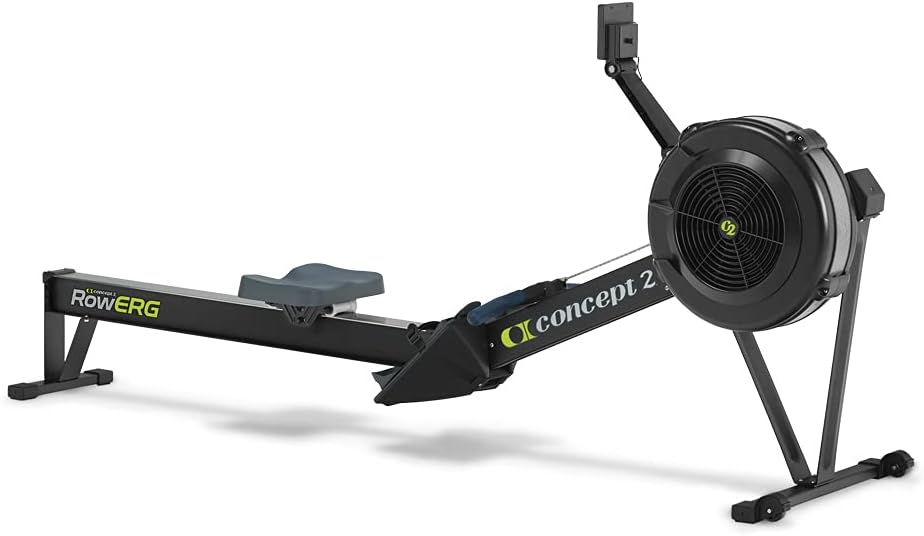
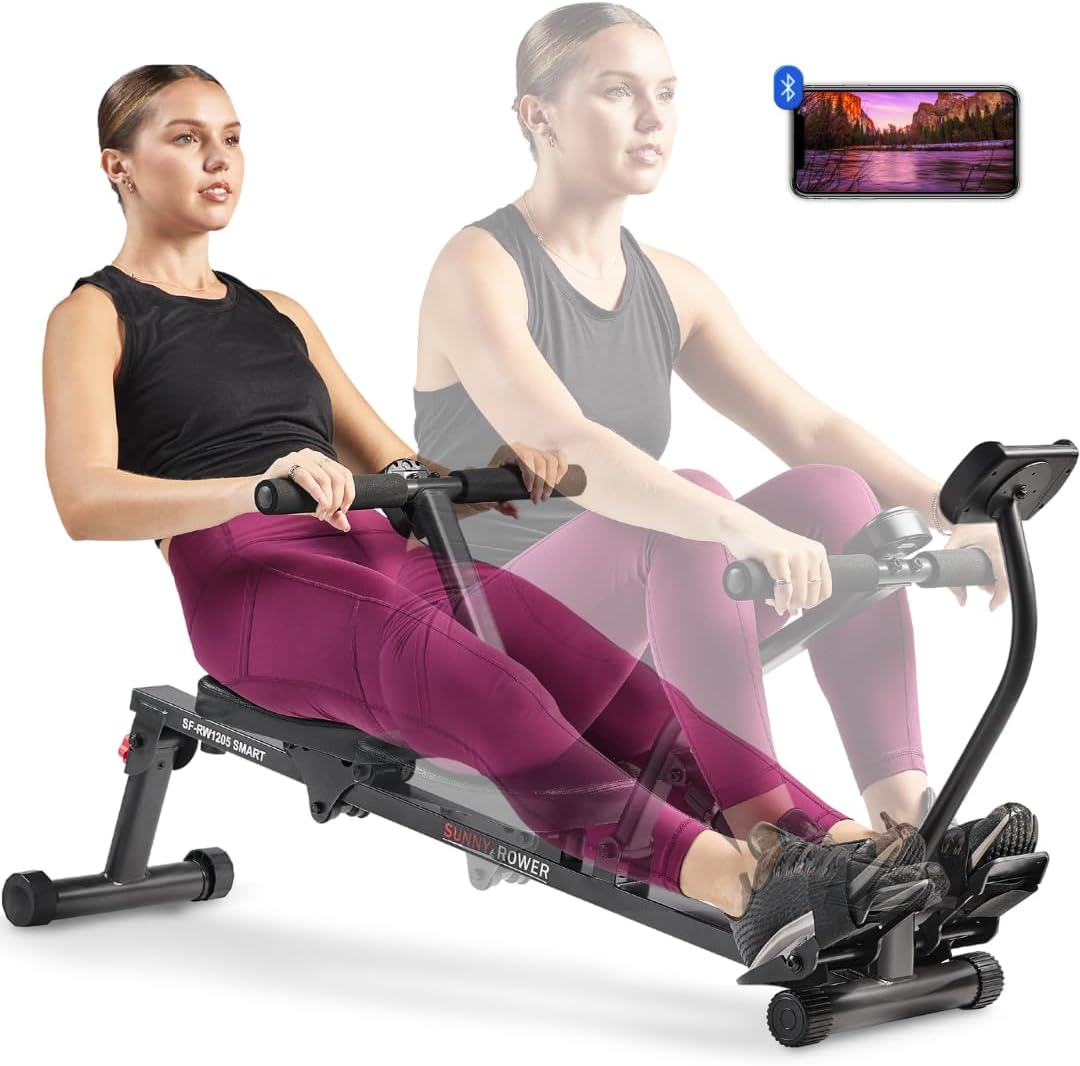
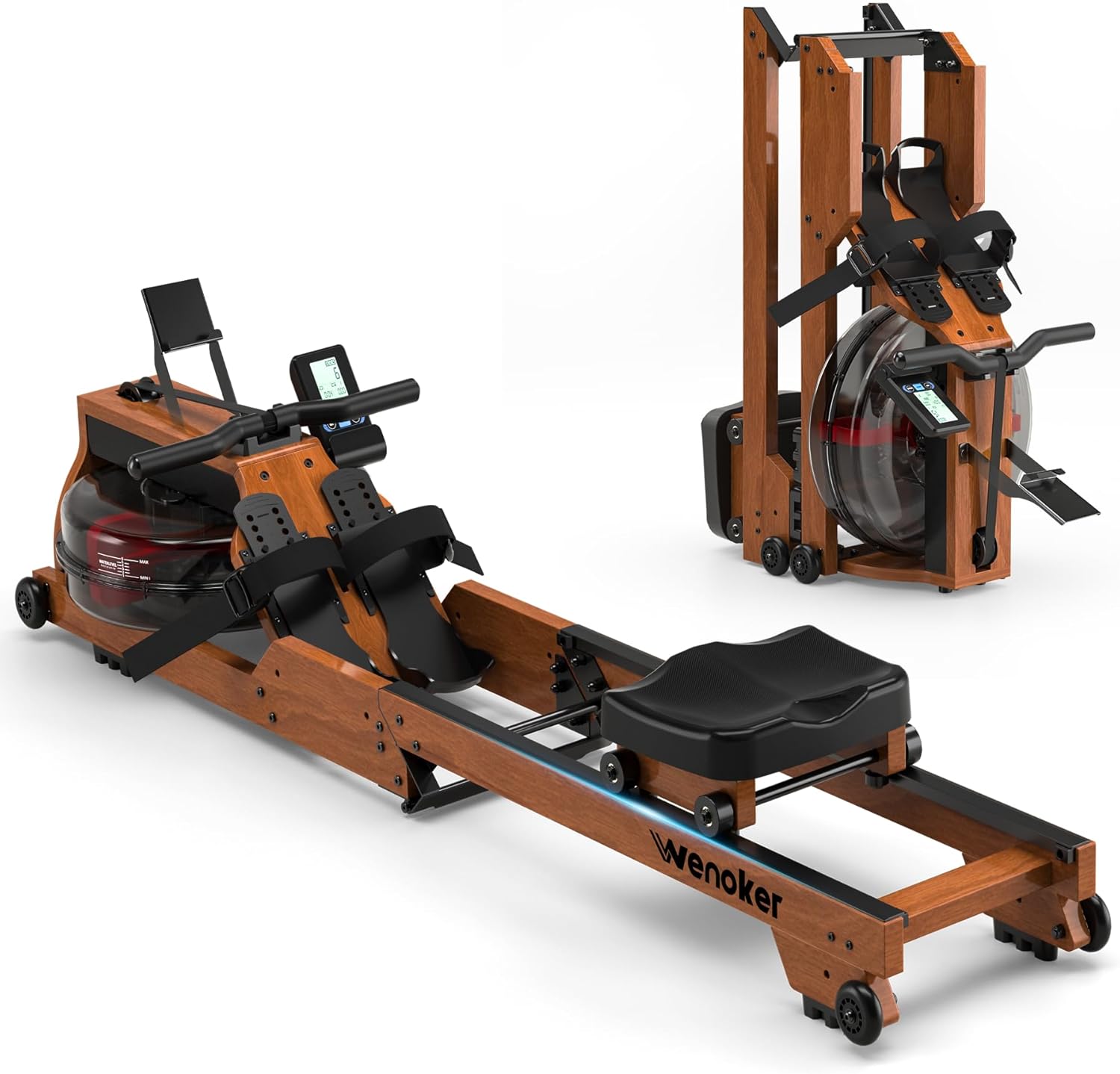
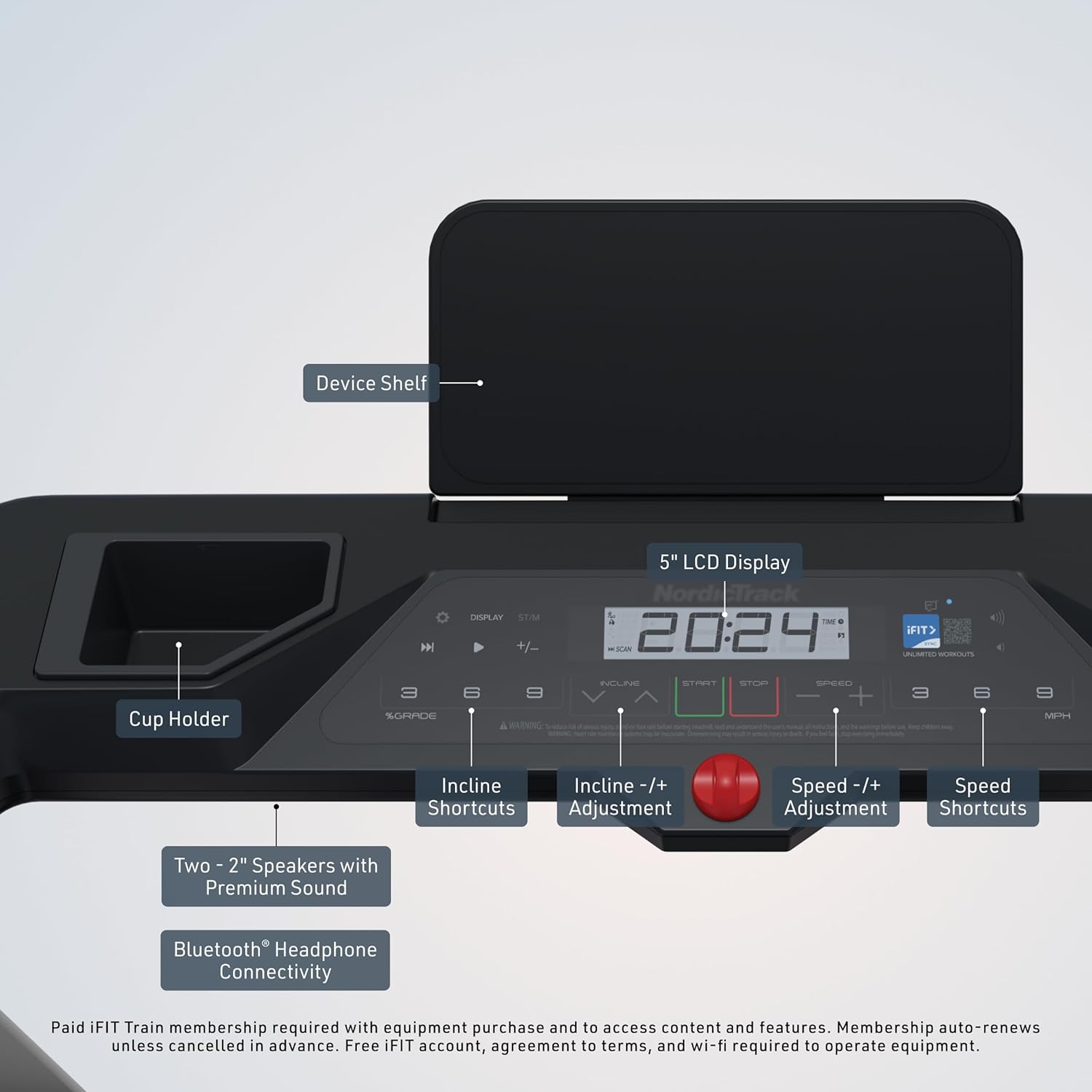
Indoor cycling is low-impact and seated. Rowing recruits more muscle per minute. Treadmills replicate outdoor running for anyone training run events. Walking pads deliver ambient movement during work hours rather than dedicated sessions. Different cardio slots fit different weeks — here are representative picks across each category.
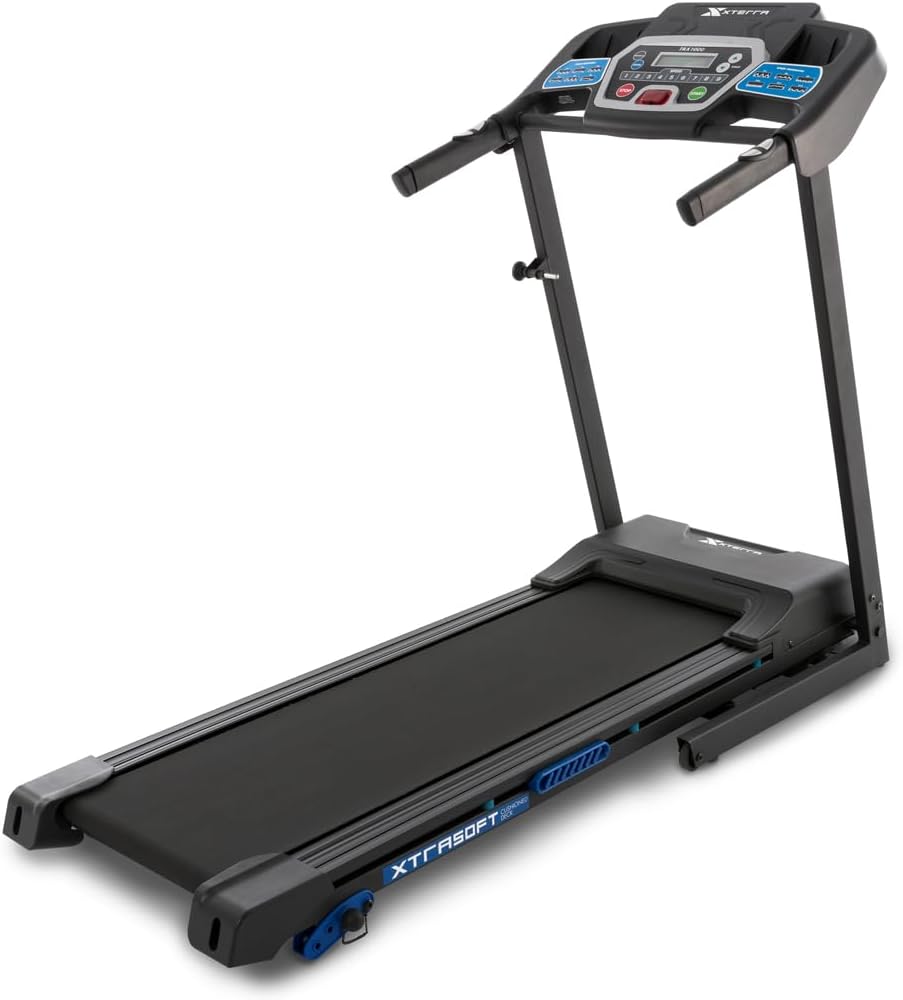
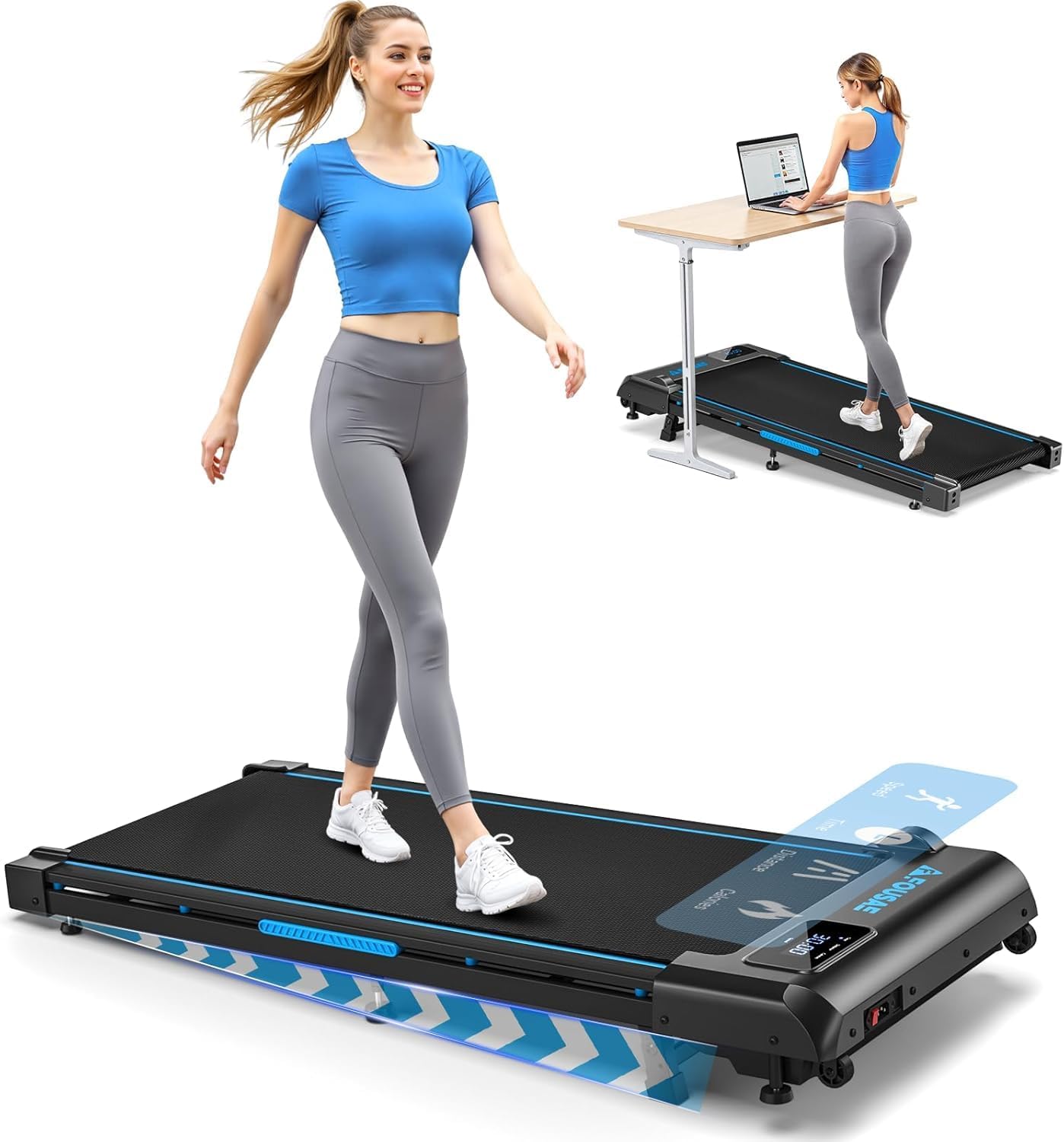
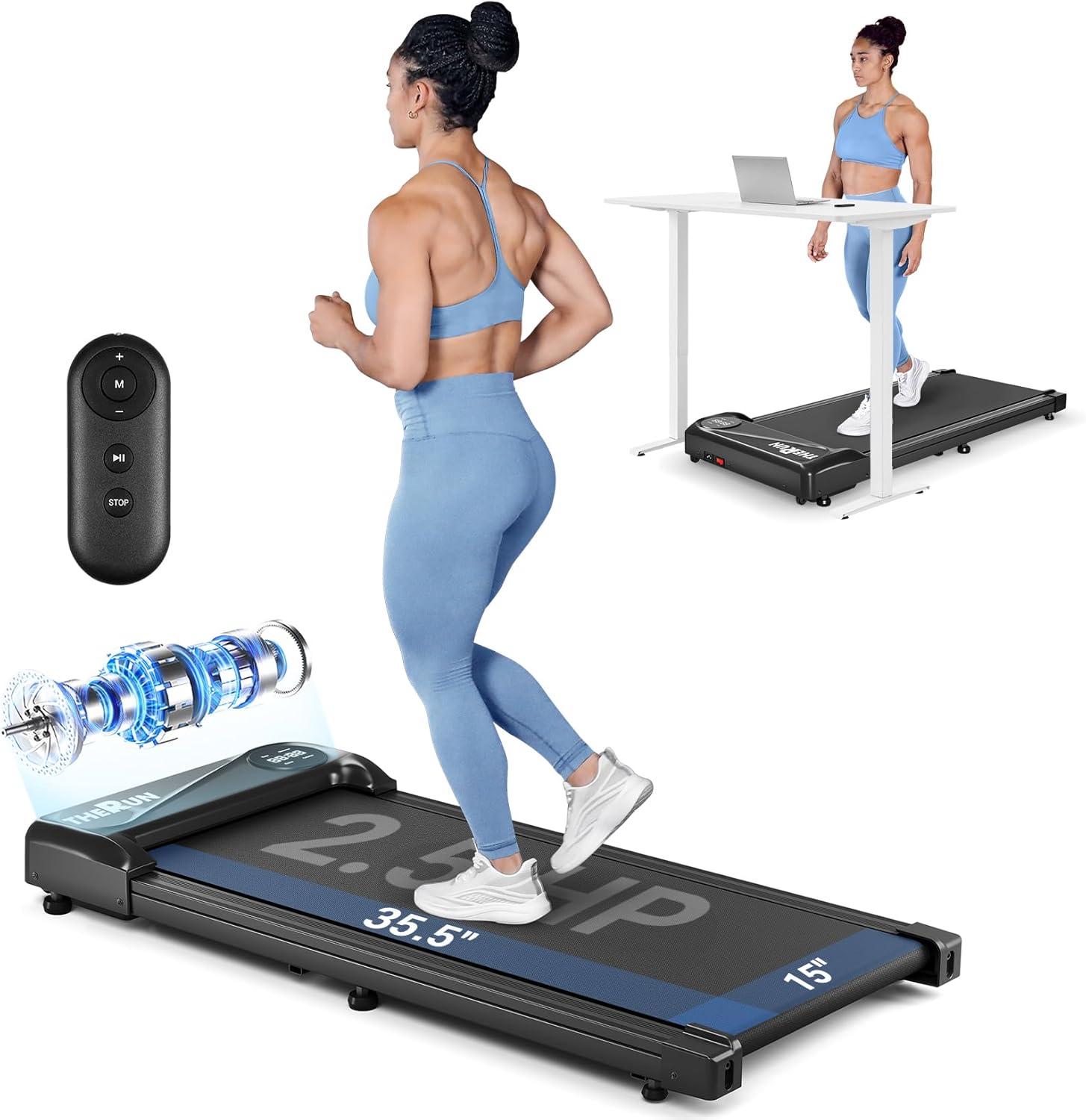
*Tutorials do not constitute professional medical or fitness advice. Please consult a qualified professional before making decisions about your health or fitness routine.